Anticipated Drop in Oil Prices Could Lead to Lower Gas Prices in 2025
January 18, 2025 - 19:15
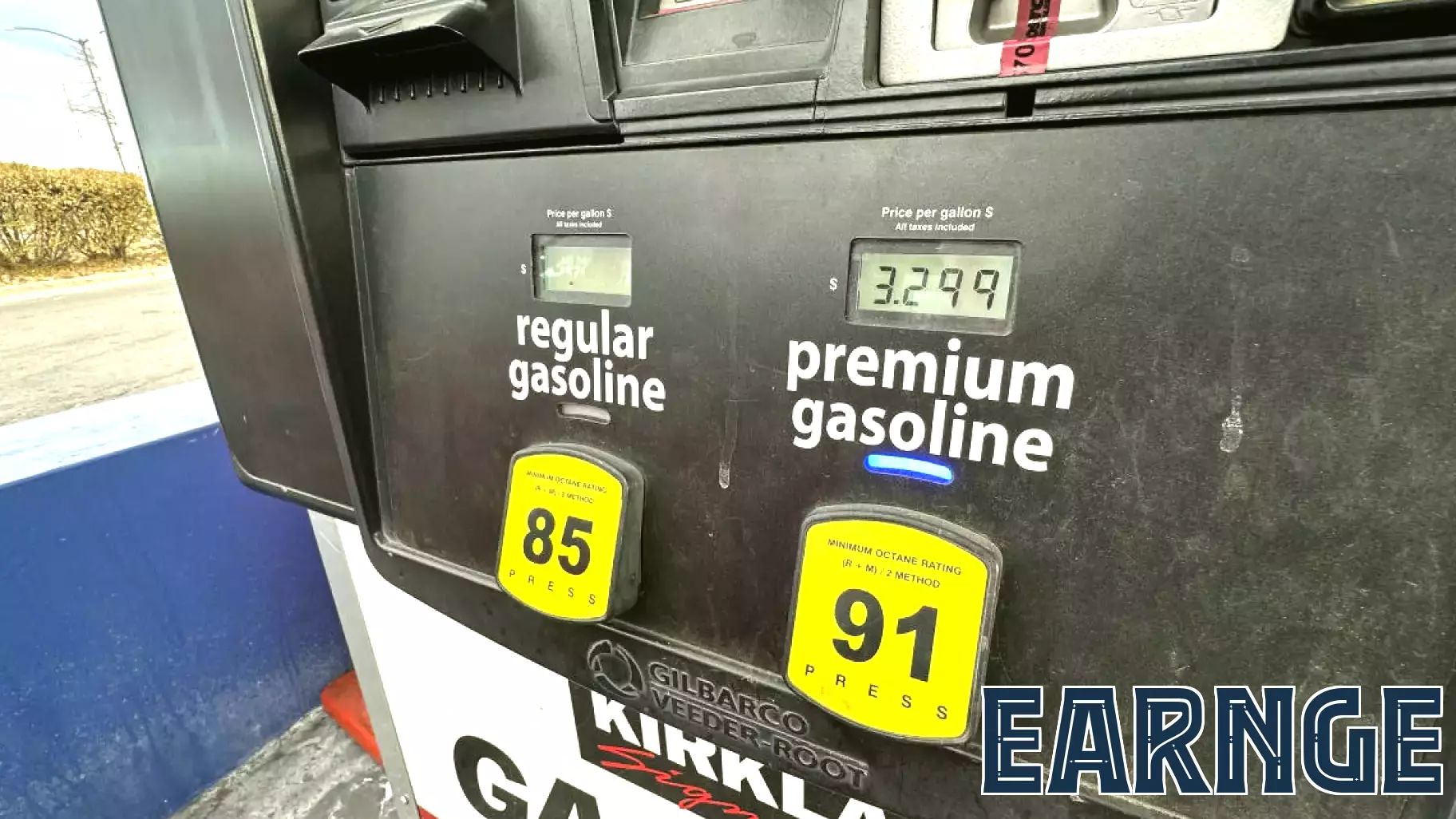
Oil prices are projected to decrease in 2025, which may result in gasoline prices experiencing a third consecutive annual decline. Analysts have noted that various factors, including increased production and a potential slowdown in global demand, are contributing to this expected downturn in oil prices. As a result, consumers could see relief at the pump, which might be a significant economic boost for many households.
The decline in gas prices could also have broader implications for the economy, influencing inflation rates and consumer spending. Lower fuel costs generally lead to increased disposable income for families, allowing them to allocate funds to other essential goods and services. This trend could bolster economic activity, particularly in sectors that rely heavily on consumer spending.
As the year progresses, many will be watching closely to see how these price changes unfold and what impact they may have on the broader economic landscape.
MORE NEWS

August 21, 2026 - 07:30
Hong Kong financiers press for tax breaks after Singapore’s challengeIndustry figures in Hong Kong are pushing lawmakers to move quickly on a proposed tax incentive package, warning that delays could hand more ground to Singapore in the race for wealthy clients and...

August 20, 2026 - 17:42
Anthropic could publicly file IPO paperwork as soon as this monthAnthropic, the artificial intelligence company behind the Claude chatbot, is reportedly preparing to take a major step toward going public. According to sources familiar with the matter, the firm...

August 20, 2026 - 01:00
SERA PROGNOSTICS APPOINTS SCOTT GLEASON CHIEF FINANCIAL OFFICERSera Prognostics Inc., a company focused on improving maternal and neonatal health through advanced pregnancy biomarker testing, has announced the appointment of Scott Gleason as its new Chief...

August 19, 2026 - 07:05
Trump's White House business shindig will be a cesspool of financial conflictsPresident Trump is set to host a gathering of financial industry leaders at the White House this week, with a heavy focus on digital assets and prediction markets. The event, framed as a listening...